The Reality of Industrial Electrical Work in High-Demand Environments
Industrial electrical systems operate in environments where precision, reliability, and safety are essential to daily operations. Facilities such as processing plants, manufacturing sites, energy operations, and large industrial complexes depend on electrical infrastructure that must perform continuously under demanding conditions. Unlike smaller-scale projects, industrial electrical work often involves high-voltage distribution, complex control systems, and equipment that supports entire production processes. A single electrical failure can result in significant downtime, safety risks, and financial loss. Because of these factors, industrial electrical work requires a disciplined, experience-driven approach that prioritizes accuracy and long-term performance over speed or convenience.
Why Industrial Electrical Projects Demand Deep Trade Experience
Experience is one of the most critical factors in successful industrial electrical projects. Industrial systems are rarely straightforward and often present unique challenges related to layout, environmental exposure, equipment integration, and operational requirements. Electricians with deep industrial experience understand how systems behave under load, how different components interact, and how to anticipate potential issues before they escalate. This knowledge allows work to be planned with foresight rather than reaction. Experienced professionals can adapt quickly to unexpected site conditions while maintaining safety and quality standards. Their ability to problem-solve efficiently reduces delays and ensures systems are built to perform reliably under continuous use.
Safety, Compliance, and the Importance of Electrical Codes
Industrial environments are governed by strict electrical codes and safety regulations designed to protect workers, equipment, and infrastructure. Compliance is not simply a matter of passing inspections; it is about ensuring electrical systems operate safely throughout their lifespan. Proper grounding, bonding, circuit protection, and system labeling are critical elements that must be executed correctly from the beginning. Experienced industrial electricians understand how to interpret and apply code requirements in real-world conditions. This attention to compliance minimizes risk, supports safe operations, and helps facilities avoid costly shutdowns caused by unsafe or non-compliant installations.
Reducing Downtime Through Proper Electrical Planning
Downtime is one of the most expensive challenges industrial facilities face. Electrical issues that interrupt production can result in missed deadlines, lost revenue, and operational setbacks. Proper electrical planning plays a vital role in minimizing these risks. Experienced electricians assess system capacity, redundancy, and maintenance access before work begins. This proactive approach ensures electrical systems can support continuous operation while remaining serviceable. Planning also considers future upgrades and expansions, allowing facilities to grow without requiring major electrical overhauls. Thoughtful planning reduces the likelihood of unexpected failures and keeps operations running smoothly.
Preventative Maintenance as a Critical Industrial Strategy
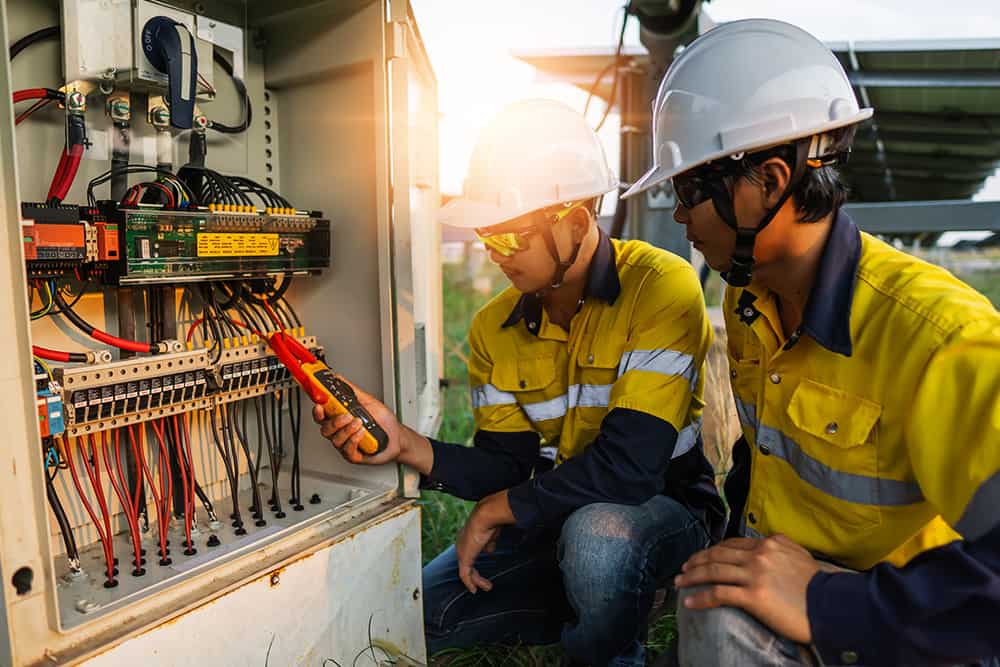
Preventive electrical maintenance is a vital component of long-term industrial reliability, yet it is often undervalued until a failure occurs. Industrial electrical systems operate under constant load, exposure, and stress, which gradually affect components over time. Without regular inspection and servicing, small issues such as loose connections, insulation wear, or uneven loads can escalate into serious failures. Preventive maintenance allows experienced electricians to identify these concerns early and address them before they disrupt operations. This proactive approach reduces emergency shutdowns, protects expensive equipment, and supports consistent production.
How Leadership and Field Knowledge Improve Project Outcomes
Industrial electrical projects benefit greatly from leadership rooted in real field experience. Electricians who have progressed through the trade understand the challenges faced at every stage of a project, from installation to commissioning and long-term operation. This perspective improves communication, coordination, and decision-making throughout the project lifecycle. Strong leadership ensures safety standards are enforced, work is organized efficiently, and quality expectations are consistently met. When leadership is grounded in hands-on experience, projects move forward with fewer errors, clearer accountability, and stronger overall outcomes.
The Role of Quality Workmanship in Long-Term System Performance
Industrial electrical systems are long-term investments that must withstand heavy use and harsh conditions. Poor workmanship or shortcuts during installation often lead to recurring issues, increased maintenance costs, and reduced system lifespan. Quality workmanship ensures components are installed correctly, connections are secure, and systems are balanced for optimal performance. Experienced contractors focus on durability and reliability rather than temporary solutions. This commitment to quality reduces lifecycle costs and improves overall facility performance. Well-installed systems are easier to maintain, safer to operate, and more resilient to operational demands.
Building Industrial Electrical Systems That Stand the Test of Time
Industrial electrical excellence is achieved through a combination of experience, planning, and uncompromising standards. Systems designed and installed with care provide safer working environments, improved efficiency, and long-term value. By prioritizing expertise and precision, industrial facilities gain electrical infrastructure that supports their operational goals today while remaining adaptable for the future. Investing in professional industrial electrical services is an investment in reliability, safety, and sustained performance.